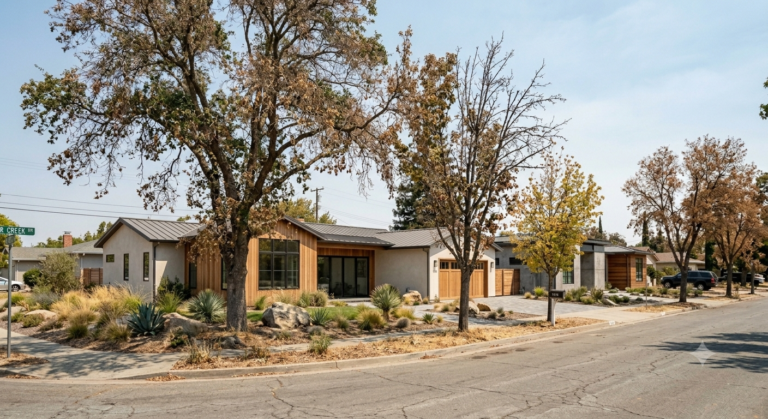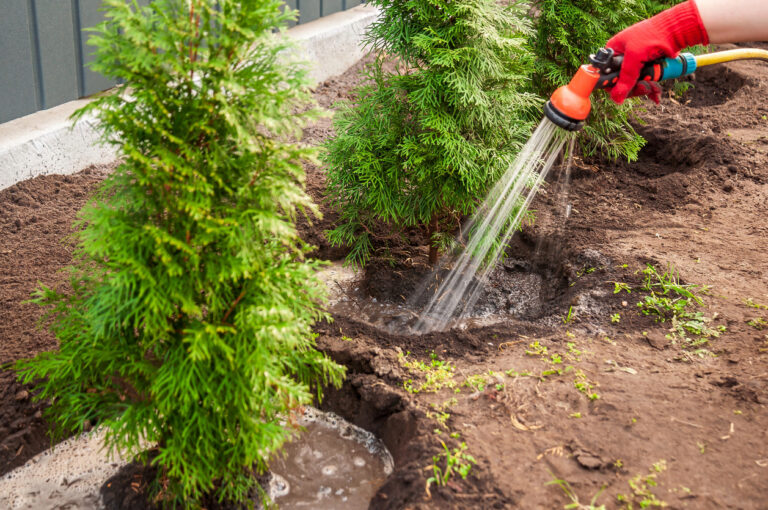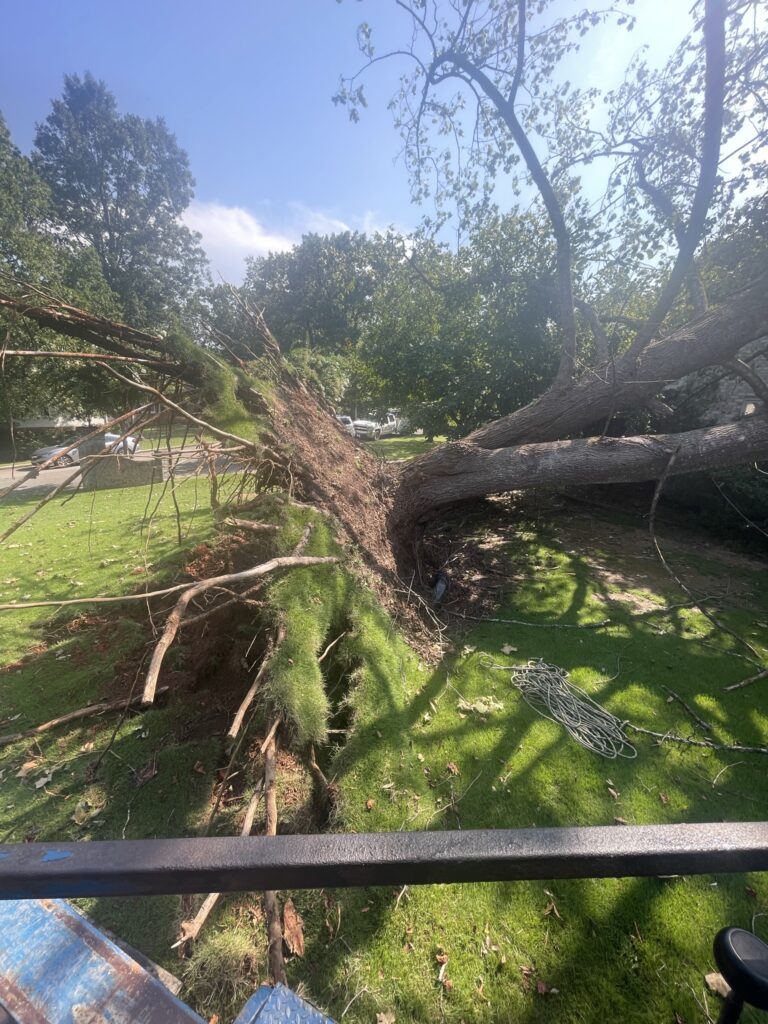
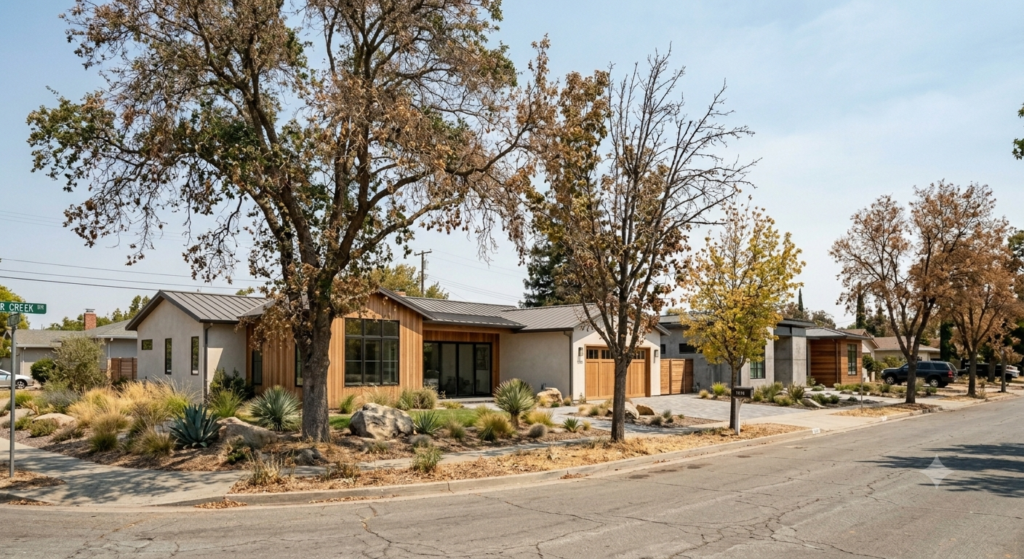
Trees don’t always show obvious signs when they’re struggling. A thinning canopy, discolored leaves, or a few dead branches can leave homeowners wondering whether a tree is simply under stress—or beginning to decline. Understanding the difference is key to protecting both your landscape and your property.
To help East Bay homeowners recognize the warning signs, we’re highlighting guidance from one of our partner companies serving the region.
Featured Insight from Evergreen Tree Care
Is My Tree Dying or Just Stressed? Signs East Bay Homeowners Should Watch For
In their recent article, the team at Evergreen Tree Care explains the important distinction between tree stress and long-term decline. While many trees experience temporary stress from drought, soil compaction, construction, or environmental conditions, ongoing decline often involves multiple symptoms that worsen over time if left untreated.
Recognizing these signs early gives property owners more options for preserving tree health and reducing potential safety risks.
The article further explores:
- The difference between temporary tree stress and long-term decline
- Early warning signs such as leaf discoloration, slowed growth, and premature leaf drop
- Indicators of more serious decline, including canopy dieback, bark damage, and dead branches
- Common causes of tree stress in the East Bay, including drought, compacted soils, root damage, and pests
- Why multiple symptoms together often point to a larger issue
- How professional tree evaluations help determine the best course of action
👉 Read the full article from Evergreen Tree Care
Many tree health issues develop gradually, making early evaluation one of the most effective ways to preserve mature trees and avoid costly emergency situations. Proactive monitoring allows arborists to identify underlying causes and recommend treatments before stress progresses into irreversible decline.
At Canopy Service Partners, we are proud to support partner companies like Evergreen Tree Care, whose ISA Certified Arborists provide science-based tree care and risk assessments tailored to the unique growing conditions of the East Bay.
For homeowners throughout Contra Costa County and surrounding communities, understanding the difference between stress and decline can help protect valuable landscape assets and support healthier trees for years to come.