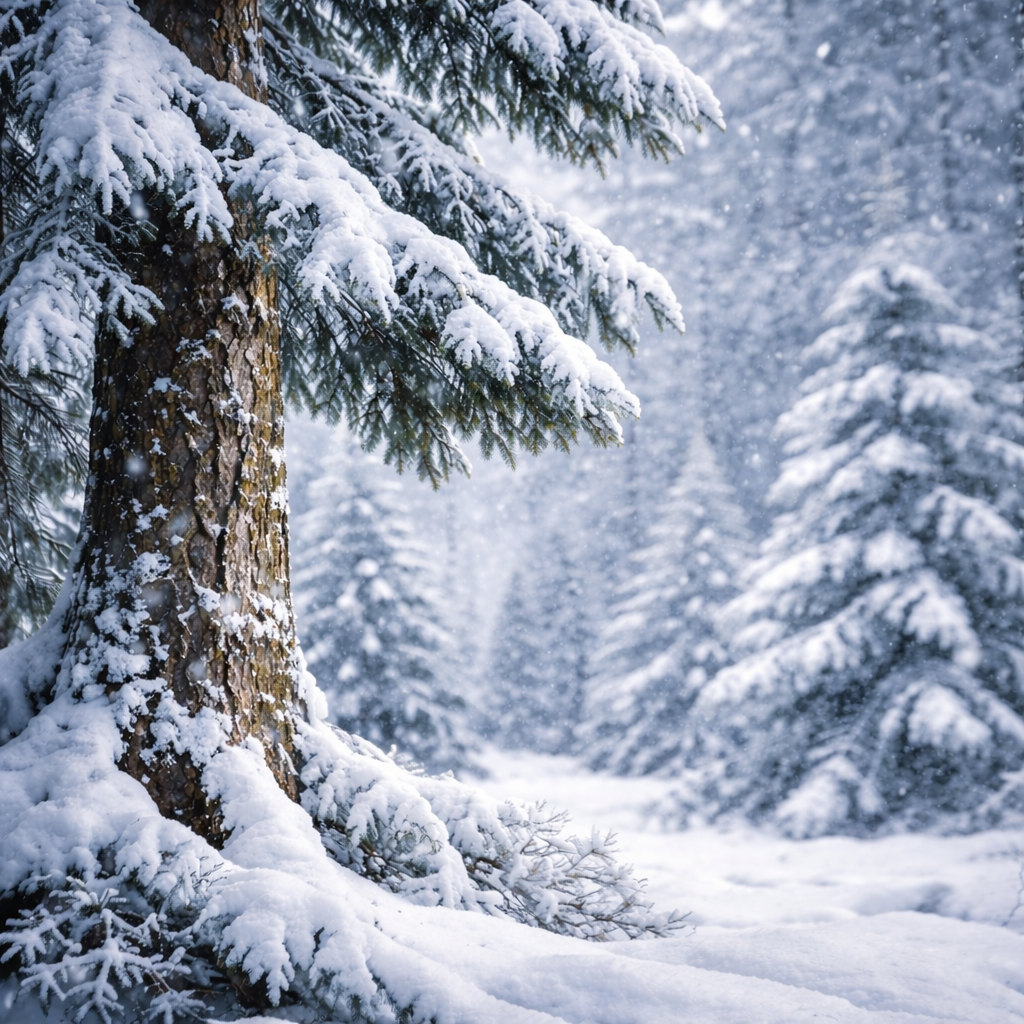
Winter storms can place significant stress on trees, especially during periods of rapid temperature change, heavy snow, or ice accumulation. Following recent winter weather events across large parts of the United States, viral videos and social media posts have sparked concern — and confusion — about reports of so-called “exploding trees.”
To help clarify what’s actually happening, we’re highlighting an article from Truetimber Arborists, a professional arborist team with hands-on experience evaluating storm-related tree damage.
Featured Article from Truetimber Arborists
Exploding Trees Explained: What’s Really Happening During Winter Storms
In this article, Truetimber Arborists explain that trees do not spontaneously explode. Instead, extreme and sudden temperature fluctuations can lead to a phenomenon known as frost cracking. As water inside a tree’s cells rapidly expands and contracts, the bark may split — sometimes producing a loud cracking or popping sound that can easily be mistaken for something more severe.
The article also explores:
- Why frost cracks tend to occur more often in young or thin-barked trees
- How snow and ice can worsen existing structural weaknesses
- Whether frost cracks pose long-term risks to tree health
- When it’s appropriate to contact a professional arborist after a storm
👉 Read the full explanation from Truetimber Arborists
Monitoring tree health after severe weather is an important step in protecting both property and safety. If storm damage is suspected, a professional arborist can help assess risk and recommend appropriate next steps before small issues become larger problems.